conditions 9 min read

My Child Doesn't Respond to Their Name — Should I Worry?

Most children respond consistently to their name by 12 months. If your child rarely turns when called, hearing and development should both be checked. What it can mean, what it doesn't prove, and what to do this week.

Written by
NeuroNurture clinical team
Senior speech-language pathologists, ABA analysts, occupational therapists, and child psychologists, supervised by our team of developmental paediatricians
Reviewed by
Dr. Neha Kukreja
MBBS · DNB (Paediatrics) · Post-doctoral Fellowship in Developmental & Behavioural Paediatrics
Published 10 August 2026
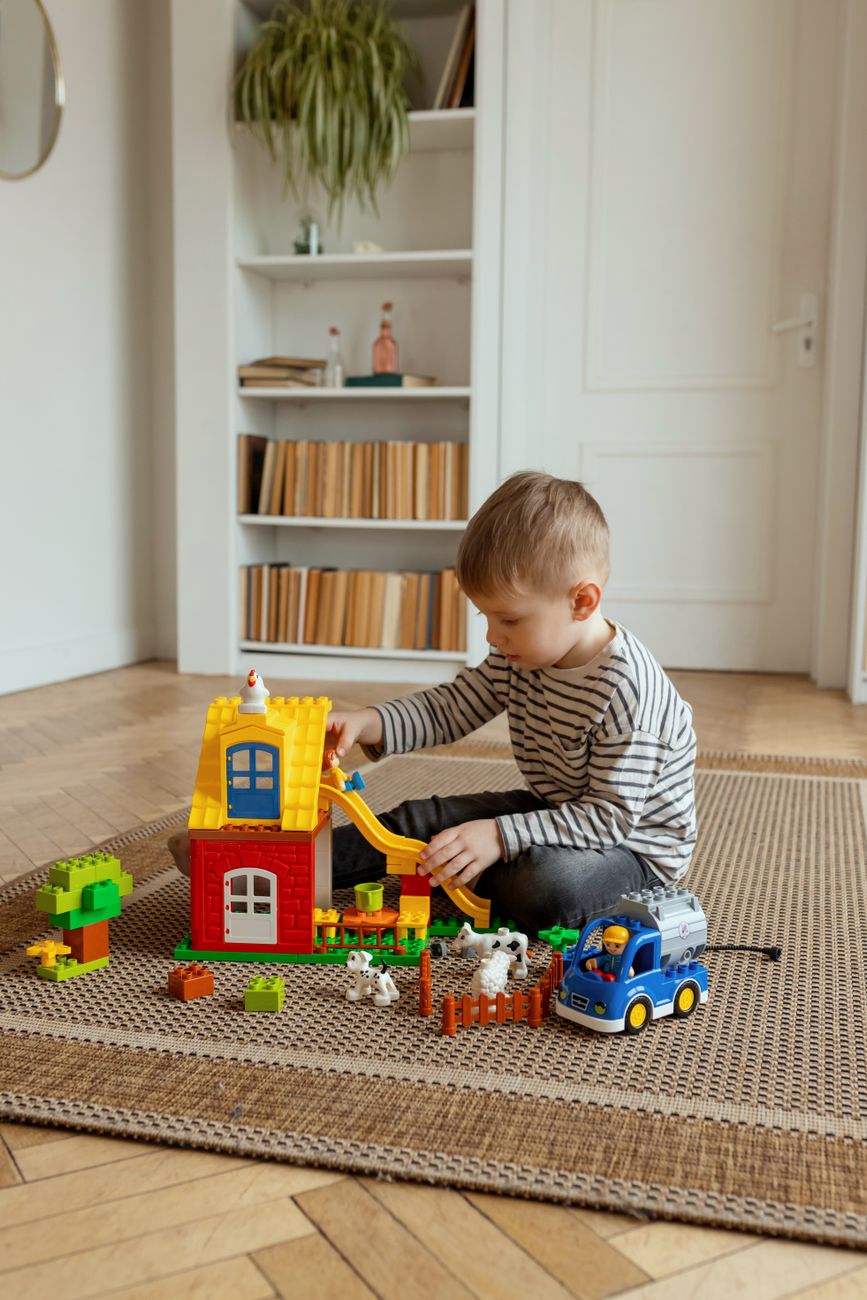
Young boy absorbed in playing with a toy farm set alone on the floor
Take the first step

Book your free consultation.

A 30-minute consultation with a developmental paediatrician or senior therapist. Free, no obligation.

Free Callback in 2 hours No obligation
Get appointment
We call within 2 hours · 100% free

The short answer: by around 12 months, most children turn consistently when their name is called. If your child rarely responds — across different rooms, days, and moods — it deserves a proper look: first a hearing test, then a developmental check. It does not by itself mean autism, but it is one of the early signs clinicians take seriously.

Why this one sign gets so much attention

Responding to your name is one of the earliest social behaviours — it means the child is tuned to human voices and to their place in the social world. That’s why reduced response to name appears on every early-autism screening tool, and why paediatricians ask about it specifically at the 18- and 24-month visits.

But it has a second, much more ordinary explanation that families skip past: hearing. A child with fluid in the middle ear from repeated colds or ear infections can hear speech as if underwater — and their “ignoring” is nothing of the sort. This is common, checkable in one visit, and usually treatable.

How to check the pattern at home

Try this over a few days, without turning it into a test your child can feel:

  • Call their name once, from behind or the side, in a quiet room. Wait five seconds. No repeat, no touching.
  • Note what happens with a boring voice — not the excited voice that carries its own signal.
  • Compare situations: absorbed in play vs idle; your voice vs another family member’s.

If the response is there sometimes but drowns in absorbing play, that’s a much softer picture than a child who almost never turns regardless of situation.

What to do this week

If the pattern is consistent, do two things in parallel rather than in sequence: book a hearing test, and take the M-CHAT-R — a free, ten-minute parent questionnaire used worldwide between 16 and 30 months. Bring both results to a developmental paediatrician.

If you’d like that second step to be easy: our developmental paediatrician offers a free 30-minute consultation. You’ll leave with an honest read of the whole picture — not a label, and not a “let’s wait and see.”

Backed by
AAP NIH NICHD
View sources
  1. 01
  2. 02

Reviewed by Dr. Neha Kukreja (MBBS · DNB (Paediatrics) · Post-doctoral Fellowship in Developmental & Behavioural Paediatrics). Educational content; not clinical advice.

Common questions

Questions parents also asked.

Could it just be hearing?

Yes — and that's why a hearing test is step one. Repeated ear infections or fluid in the ear can quietly reduce hearing, and it's common and treatable.

He responds sometimes, just not always. Is that normal?

Toddlers absorbed in play miss their name sometimes — that's normal. The concern is a consistent pattern: rarely turning to their name across different places, moods, and days.

Does not responding to name mean autism?

No single sign does. It's one of several early markers clinicians look at together — alongside pointing, gestures, eye contact, and shared attention. A screening questionnaire (M-CHAT-R) plus a developmental check settles it far better than worry does.

About the author

NeuroNurture clinical team

Senior speech-language pathologists, ABA analysts, occupational therapists, and child psychologists, supervised by our team of developmental paediatricians

Articles authored by working clinicians at NeuroNurture — speech-language pathologists, occupational therapists, behaviour therapists, and special educators — collectively responsible for the practice's published guidance to parents.

Free consultation

Talk to a paediatrician — free, in 30 min.

Honest read, no script, no pressure. We listen, we observe, we tell you what we think.

Get appointment
We call within 2 hours · 100% free
Free 2-hour callback No obligation